By using our website, you agree to the use of cookies as described in our Cookie Policy
Why Fall Leaves Make Dog Waste Harder to Spot in Norwalk
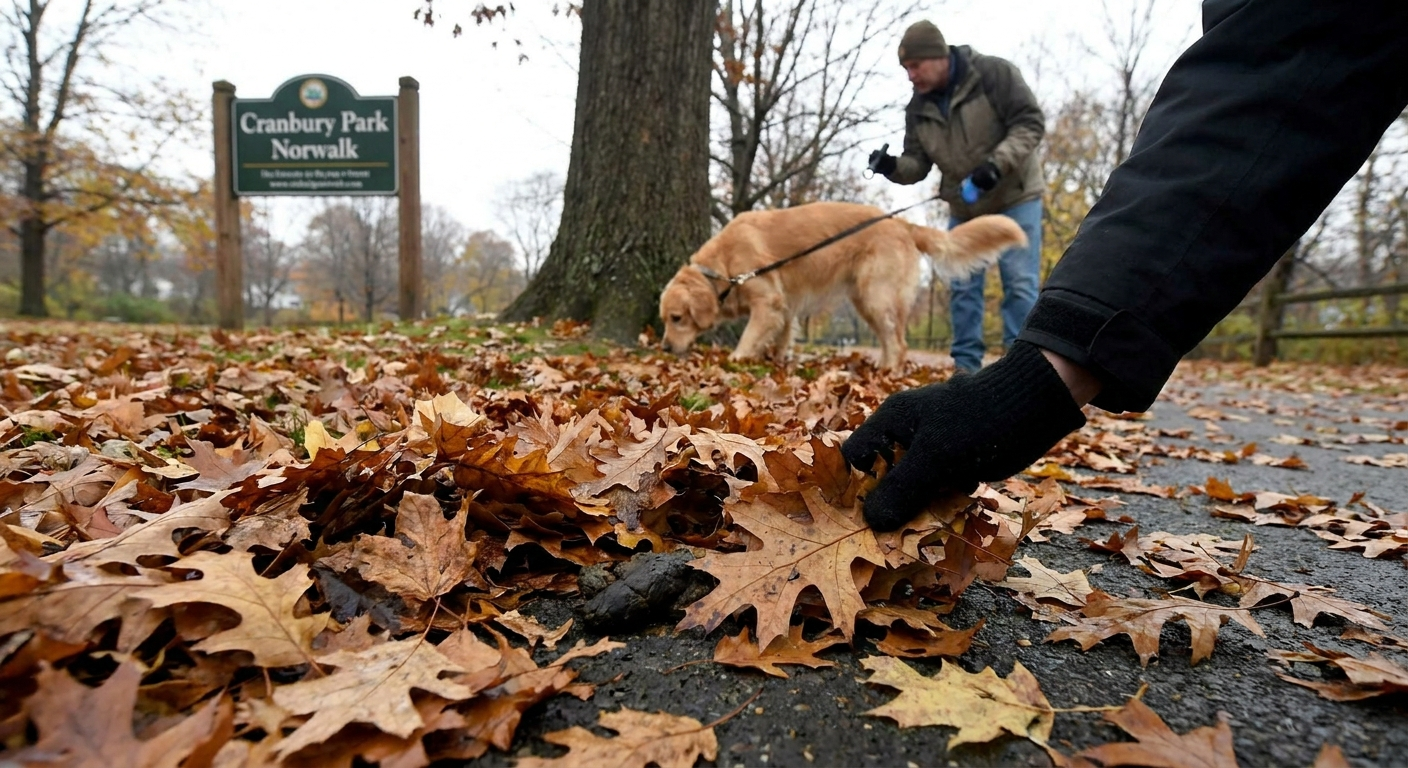
Norwalk's sidewalks and parks get buried every October. And while those golden carpets of leaves look great in photos, they're hiding something less scenic underneath. Dog waste vanishes into the foliage faster than you'd think — and the cleanup isn't getting easier. We're not talking about a few stray droppings. This is a seasonal pattern that affects public health, property maintenance, and the basic usability of shared outdoor spaces. If you've ever wondered why your shoe picked up more than just leaves this fall, here's what's actually happening.
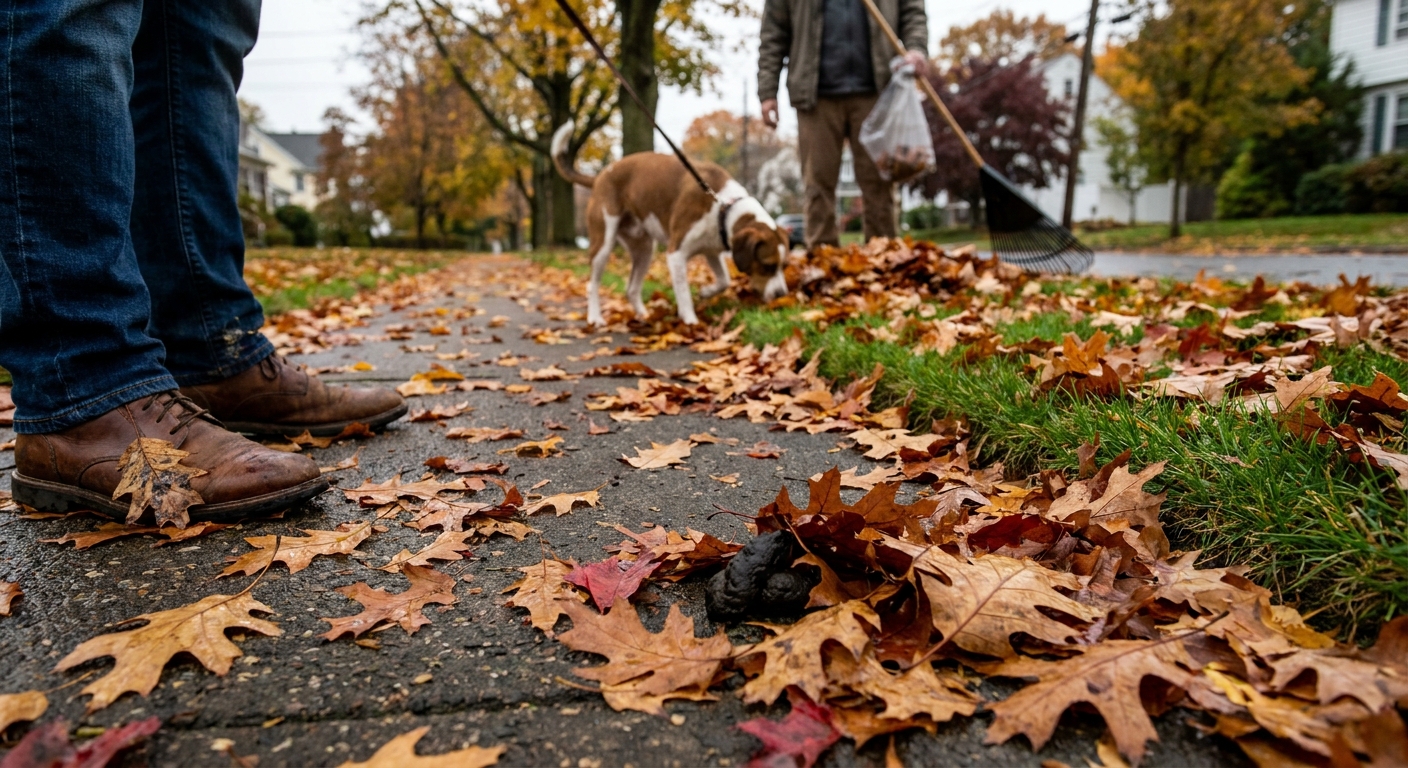
Leaves Become a Natural Cover
When the trees drop their payload, visibility drops with it. Brown and yellow waste blends right into brown and yellow foliage. The colors match. The textures overlap. And unless you're watching your dog in real time, chances are you're going to miss what just happened. Most owners aren't trying to dodge cleanup — they just can't see what got buried three inches under a leaf pile.
Norwalk's tree canopy is dense. That means more leaves per square foot than most suburban towns. Parks like Cranbury and Taylor Farm turn into layered leaf zones by mid-November, and the ground becomes a guessing game. What looked like clean grass two weeks ago now hides a minefield of forgotten deposits.
Raking Just Moves the Problem Around
Yard crews show up. Residents grab their rakes. Everyone's trying to tidy up for the season. But here's the issue — if waste was already under the pile, it's now getting dragged across the lawn or pushed into the street. Bagging leaves without a visual sweep first just transfers the mess into a new location, and nobody realizes it until the bag tears or the smell gives it away.
City workers clearing public spaces face the same trap. Blowers push leaves into piles, and whatever was underneath gets redistributed. It's not intentional. It's just the reality of working blind. And once it's spread, the odds of full cleanup drop to nearly zero.
Public Health Takes a Hit
Dog waste isn't just gross — it's a vector. Bacteria like E. coli and parasites like giardia don't disappear when they're covered in oak leaves. They sit there waiting for rain to wash them into storm drains, which in Norwalk means they're heading straight into local waterways. No filtration. No treatment. Just runoff.
Kids playing in parks don't know what's under the leaves. Dogs sniffing around don't either. And when contamination spreads to soil and water, the risks multiply fast. We're not just talking about dirty shoes anymore — we're talking about exposures that can lead to infections, especially among younger children and pets with weaker immune systems.
Even Diligent Owners Miss It
You can be the most responsible dog owner in town and still lose track when the ground is covered. Early morning walks happen in dim light. Evening strolls are worse. Add a thick layer of leaves and you're working off memory, not sight. Most people think they got it all. Most people are wrong.
That gap between intention and execution frustrates neighbors, strains relationships, and puts extra pressure on municipal crews who already have their hands full. Nobody's trying to be a bad citizen. The conditions just make it nearly impossible to be perfect.
What Actually Works During Leaf Season
We can't stop the trees from shedding. But we can adjust how we handle cleanup when visibility tanks. Here's what makes a real difference:
- Slow down and scan the area after your dog goes — move a few leaves if you have to
- Carry a small flashlight or use your phone light during low-visibility walks
- Designate a regular spot for your dog so you know where to check every time
- Coordinate with neighbors to keep shared spaces under watch
- Push for more waste stations in high-traffic parks and trails
The Gear That Helps
Some tools make the job less of a scavenger hunt. A headlamp beats a handheld flashlight when you need both hands free. Bright-colored waste bags are easier to spot if you drop one. And a small rake or stick can help you part the leaf cover without kneeling in it.
Norwalk dog owners who walk the same routes daily also report success with pre-walk sweeps — clearing a small patch of leaves before letting the dog off-leash. It's not glamorous, but it works better than playing cleanup roulette in the dark.
City Resources and Community Efforts
Norwalk's Parks and Recreation Department does seasonal outreach, but enforcement is thin. Most compliance comes down to peer pressure and personal accountability. Community cleanup days help, but they're sporadic. The real progress happens when residents take ownership of their own blocks and hold each other to a standard that doesn't require a citation to maintain.
Public waste stations are unevenly distributed. Some parks have them. Some don't. Pushing for more infrastructure in high-use areas would reduce the burden on individuals and give everyone a clearer path to compliance.
Why It Matters Beyond Aesthetics
This isn't just about keeping the sidewalks tidy. Uncollected waste compounds with every rain event. It seeps into soil. It contaminates groundwater. It lingers in places where people and animals gather. And the longer it stays hidden under leaves, the worse the impact.
Norwalk's outdoor spaces are a shared resource. Parks, trails, and green zones only stay usable when everyone contributes to their upkeep. Fall makes that harder, but it doesn't make it optional.
Strategies for High-Traffic Areas
If you live near a popular walking route or park, you're dealing with volume. Multiple dogs per hour means multiple opportunities for missed cleanup. Residents in these zones benefit from coordinated efforts:
- Set up a neighborhood watch for waste issues during peak leaf season
- Install motion-activated lights along common walking paths to improve visibility
- Share cleanup supplies like extra bags or grabbers with neighbors who forget theirs
- Report problem areas to the city so maintenance crews can prioritize them
- Organize monthly group clean-ups to address what individuals miss
What Happens When It's Ignored
Letting the problem slide has consequences. Odor builds. Bacteria spreads. Property values in affected neighborhoods can take a hit when common areas turn into neglected zones. And once a space gets a reputation for being dirty, people stop using it — which means less eyes on the problem and even less accountability.
We've seen it happen in other towns. Norwalk doesn't have to follow that path. But it requires consistent effort, not just when the leaves are gone and the ground is visible again.
Training and Awareness
Most dog owners don't realize how much waste they're missing until someone points it out. Education campaigns that run during fall — not just in spring — would help close the gap. Simple reminders at park entrances, posts on community boards, and coordinated outreach from local vets and pet stores all contribute to better compliance.
Training dogs to use specific areas also reduces the search zone. It's not a perfect solution, but it's a practical one that works for owners who walk the same routes daily.
Long-Term Fixes Require Infrastructure
More waste stations. Better lighting. Seasonal signage. These aren't complicated asks, but they do require budget allocation and planning. Norwalk's municipal leaders have the tools to make this easier for everyone — they just need to hear from residents that it's a priority.
In the meantime, we work with what's available and push for improvements where they're missing. The goal isn't perfection. It's progress. And that starts with recognizing the problem for what it is — not a few bad apples, but a seasonal visibility challenge that affects everyone. Professional scooping services can help maintain cleanliness during the challenging fall months when leaves make waste harder to detect.
Don't Wait for Spring to Care
Fall leaves make dog waste harder to spot in Norwalk. That's a fact. But it's not an excuse. The mess doesn't pause just because the foliage is thick. The bacteria don't take a break. And the community spaces we all share don't clean themselves. Whether you opt for weekly scooping, bi-weekly scooping, or on-demand scooping, maintaining yard cleanliness during leaf season prevents contamination issues. We either handle it now or spend the next six months dealing with the consequences. One flashlight, one extra look, one moment of care — that's all it takes to keep this from turning into a bigger problem than it already is. For more information about maintaining your yard year-round, visit Dog Butler CT or explore service areas to see if professional help is available in your neighborhood.
Let’s Keep Norwalk’s Yards Clean Together
We all want to enjoy Norwalk’s parks and neighborhoods without worrying about hidden messes under the leaves. By working together and staying proactive, we can make a real difference in keeping our community safe and clean for everyone. If you’re ready for a little extra help this season, give us a call at 203-521-0092 or schedule a scooper visit and let’s tackle fall cleanup as a team.
‹ Back
Recent Posts
-
Why Fall Leaves Make Dog Waste Harder to Spot in Norwalk
October 7, 2026
-
Can Dog Waste Create Problems for Fall Lawn Care in Greenwich?
September 23, 2026
-
Do You Need More Frequent Cleanup During the Fall Season?
September 9, 2026
-
-
Why Busy Fairfield Families Choose Recurring Scooping Services
August 13, 2026
Site by