By using our website, you agree to the use of cookies as described in our Cookie Policy
Can Dog Waste Create Problems for Fall Lawn Care in Greenwich?
Most Greenwich homeowners think fall lawn prep is about clearing leaves and maybe throwing down some fertilizer. But there's another variable—one that walks around on four legs and leaves surprises in your yard. Dog waste isn't just unsightly. It's acidic, bacteria-laden, and perfectly positioned to sabotage everything you're trying to accomplish before winter hits. If we're serious about getting the lawn ready, we need to treat pet droppings like the threat they actually are.
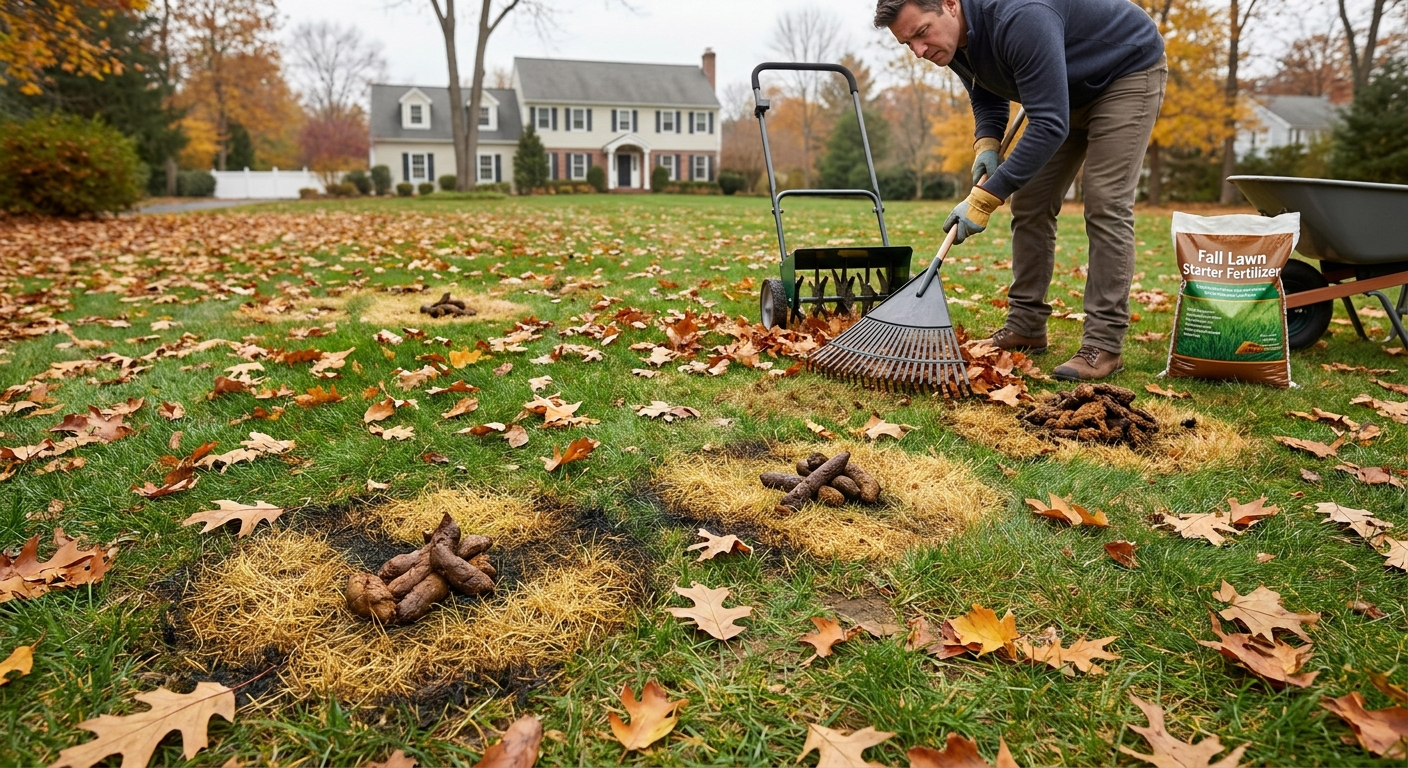
Here's what matters. That waste sitting on your grass right now? It's not breaking down into harmless compost. It's leaching nitrogen, burning turf, and seeding your soil with pathogens that don't care about your aeration schedule. Every pile left behind is a small disaster waiting to unfold—and fall conditions only make it worse.
What's Actually Inside Dog Waste
Dog waste isn't fertilizer. It's not cow manure or chicken droppings that gardeners prize. Dogs are omnivores, and what comes out reflects that diet—high in nitrogen, packed with phosphorus, and loaded with bacteria that have no place in healthy soil. When that waste sits on the lawn, it doesn't feed the grass. It poisons it.
The nitrogen concentration alone is enough to scorch turf on contact. Add in the parasites and pathogens, and you've got a recipe for dead patches, discolored zones, and soil contamination that lingers well into spring. It's not a minor inconvenience. It's a chemical imbalance with visible consequences.
Burned Grass and Dead Zones
Fall lawns are already under stress. Shorter days, cooler temperatures, and shifting moisture levels mean the grass is working harder just to stay alive. Drop a pile of nitrogen-rich waste on top of that, and the turf doesn't stand a chance. What you get are yellow circles, brown patches, and areas that refuse to recover no matter how much you water or reseed.
These aren't superficial blemishes. The damage runs deep into the root system, and the soil itself becomes hostile to new growth. Fixing it later means scraping out dead material, amending the soil, and reseeding—work that could've been avoided with consistent waste removal. And if the contamination spreads? You're looking at larger sections of lawn that need intervention, not just spot treatment.
Bacteria That Sticks Around
Dog waste carries E. coli, Salmonella, roundworms, and a host of other pathogens. When rain hits or frost melts, those contaminants don't vanish. They migrate. They seep into the soil, spread across the yard, and wash into storm drains. In a town like Greenwich where families spend time outdoors and kids play on the grass, that's a health risk we can't afford to ignore.
The bacteria don't die off quickly, either. Cold weather slows decomposition but doesn't eliminate the threat. What starts as a single pile in October can still be a contamination issue in April. And if that runoff reaches local waterways? The environmental impact extends far beyond your property line.
How Waste Sabotages Fall Lawn Work
Property owners are working hard to prepare lawns for winter—aerating, overseeding, applying starter fertilizer. But dog waste sabotages every single step. When waste is left on the lawn, those careful treatments can't do their job properly. Grass seed lands on contaminated soil and either fails to germinate or grows into weak, diseased turf. Fertilizer mixes with waste and creates nitrogen overload that burns more than it feeds.
The contamination spreads across the lawn over time. One pile of waste left behind can affect surrounding grass and soil. What starts as a small problem becomes a much larger one—unless we clear the waste consistently and thoroughly.
Steps That Actually Work
Protecting your lawn means building a routine that doesn't leave room for shortcuts. Regular removal is the baseline. Every pile that sits for days is another opportunity for damage. Proper disposal matters too—sealed trash bins and no backyard burial. Dog waste doesn't belong in the ground or tucked under bushes; the pathogens survive and continue spreading.
- Regular pickup prevents buildup and keeps contamination in check
- Proper disposal eliminates the waste completely from your property
- Consistent removal routines ensure nothing gets missed
- Professional waste removal services handle the job thoroughly and on schedule
- Increased frequency during fall addresses seasonal challenges
When to Bring In Help
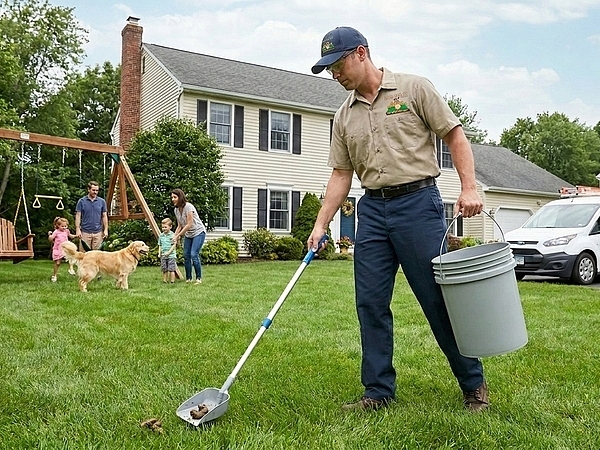
Multiple dogs, a big yard, or just a packed schedule—sometimes daily pickup isn't realistic. That's when professional pet waste removal services make sense. Dog Butler comes through on a schedule, clears everything from your property, and handles disposal properly. It's not about being lazy. It's about recognizing that a clean lawn requires consistent effort, and sometimes the smartest move is delegating that task to professionals who do it for a living.
- Weekly or bi-weekly service keeps the yard clear without daily effort
- Proper disposal methods protect both your lawn and local waterways
- Consistency eliminates the risk of missed days or forgotten zones
- Professional teams cover the entire property and find waste you might miss
- Cost is often lower than the expense of repairing contaminated turf
Professional Service During Peak Fall Season
Fall is the worst time to let waste removal slide. Leaves cover the ground and hide waste, making it nearly impossible to spot every deposit. What you can't see still causes damage—burning grass, spreading bacteria, and creating dead zones. Professional crews know where to look and work systematically to clear your entire property, even when visibility is terrible.
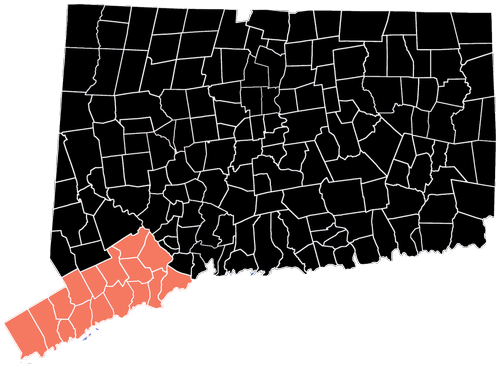
Dog Butler operates throughout Connecticut, including Fairfield, New Haven, Hartford, and Litchfield counties. The crew handles properties of all sizes and can adjust service frequency based on your needs. During fall, many homeowners increase from bi-weekly to weekly visits just to stay ahead of the problem. Others use on-demand scooping for immediate help before lawn care treatments or family gatherings.
What Happens If We Ignore It
Skipping waste removal in the fall doesn't just create a cosmetic problem. It sets the stage for a spring disaster. Dead patches that need resodding. Contaminated soil that requires amendment. Diseased turf that spreads to healthy sections. The repair costs add up fast, and the time investment is significant. All because waste was left to sit through fall and winter.
And if kids or other pets come into contact with contaminated grass? The health risks escalate. It's not worth gambling on whether that pile from last week is still a problem. The answer is always yes.
Lawn Care That Doesn't Leave Gaps
Dog waste isn't a side issue. It's a central factor in whether your fall lawn prep succeeds or fails. Homeowners can invest in all the right treatments—but if waste is scattered across the yard, none of it matters. The lawn won't recover. The investment won't pay off. And next spring, you'll be staring at the same dead zones wondering what went wrong.
At Greenwich properties, the standard is higher. Homeowners don't settle for good enough when great is within reach. That means addressing every variable, including the one that walks on four legs. Clean up the waste, protect the turf, and set yourself up for a lawn that actually thrives when the weather turns warm again. Dog Butler handles the dirty work so you can focus on everything else that makes your property look great. There's no shortcut here—just consistent effort and a refusal to let something preventable ruin months of work.
Let's Keep Your Lawn Fall-Ready Together
We all want a yard that's safe, healthy, and ready to shine come spring. Staying on top of dog waste is the key to protecting your investment and making sure your family can enjoy the outdoors without worry. If you're ready to make fall lawn care easier and more effective, give us a call at 203-521-0092 or schedule a scooper visit and let's handle the dirty work for you.
‹ Back
Recent Posts
-
Why Fall Leaves Make Dog Waste Harder to Spot in Norwalk
October 7, 2026
-
Can Dog Waste Create Problems for Fall Lawn Care in Greenwich?
September 23, 2026
-
Do You Need More Frequent Cleanup During the Fall Season?
September 9, 2026
-
-
Why Busy Fairfield Families Choose Recurring Scooping Services
August 13, 2026
Site by