By using our website, you agree to the use of cookies as described in our Cookie Policy


Is Biweekly Dog Waste Removal in Fairfield County Enough for Your Yard?
Most dog owners think waste removal is just about keeping the lawn tidy. Pick it up, toss it out, move on. But your yard tells a different story — and if you're not paying attention, you're setting yourself up for problems. Waste doesn't just sit there looking bad. It seeps into soil, attracts pests, and creates health risks that linger long after the mess is gone. Especially if you're only scheduling cleanup every other week.
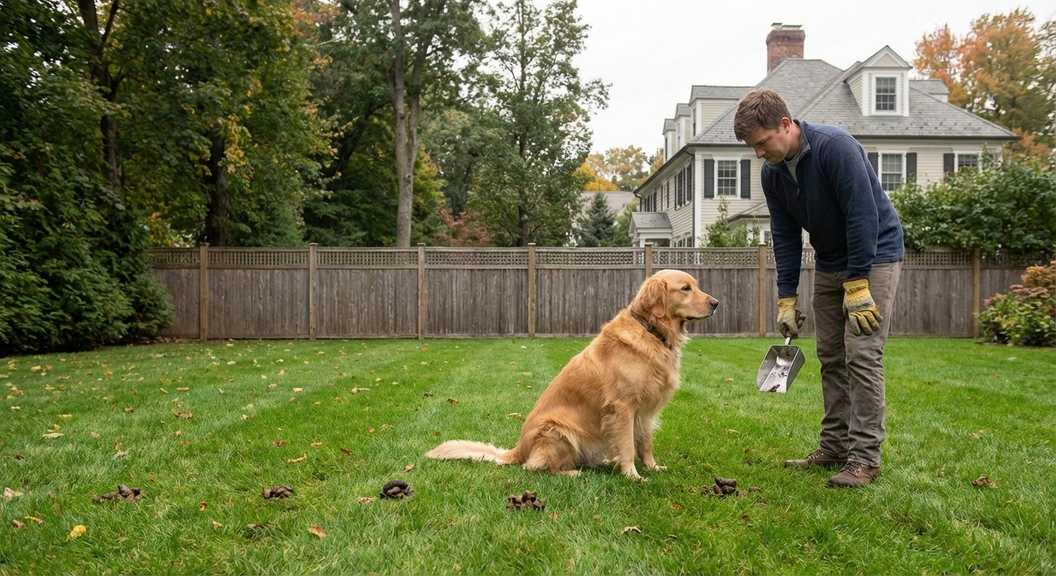
So here's the reality. If you've got dogs running around your Fairfield County property, that's great. Just don't assume biweekly service is enough to handle the load. Every yard is different. Every dog produces waste at a different rate. And every cleanup decision should be grounded in how much accumulation you're actually dealing with — not just what sounds convenient on paper.
The Numbers Don't Lie
A single medium-sized dog drops roughly three-quarters of a pound of waste daily. Over fourteen days, that's more than ten pounds piling up in your yard. Add a second dog and you've doubled the problem. Add a third and you're looking at serious accumulation before your next scheduled visit even rolls around.
This isn't just about volume. It's about what happens while that waste sits there. Bacteria multiply. Parasites spread. Odors intensify. And if you've got kids or other pets using that space, the exposure risk climbs with every passing day. Waiting two weeks between cleanups might work for some households, but for most, it's asking for trouble.
Weather Makes Everything Worse
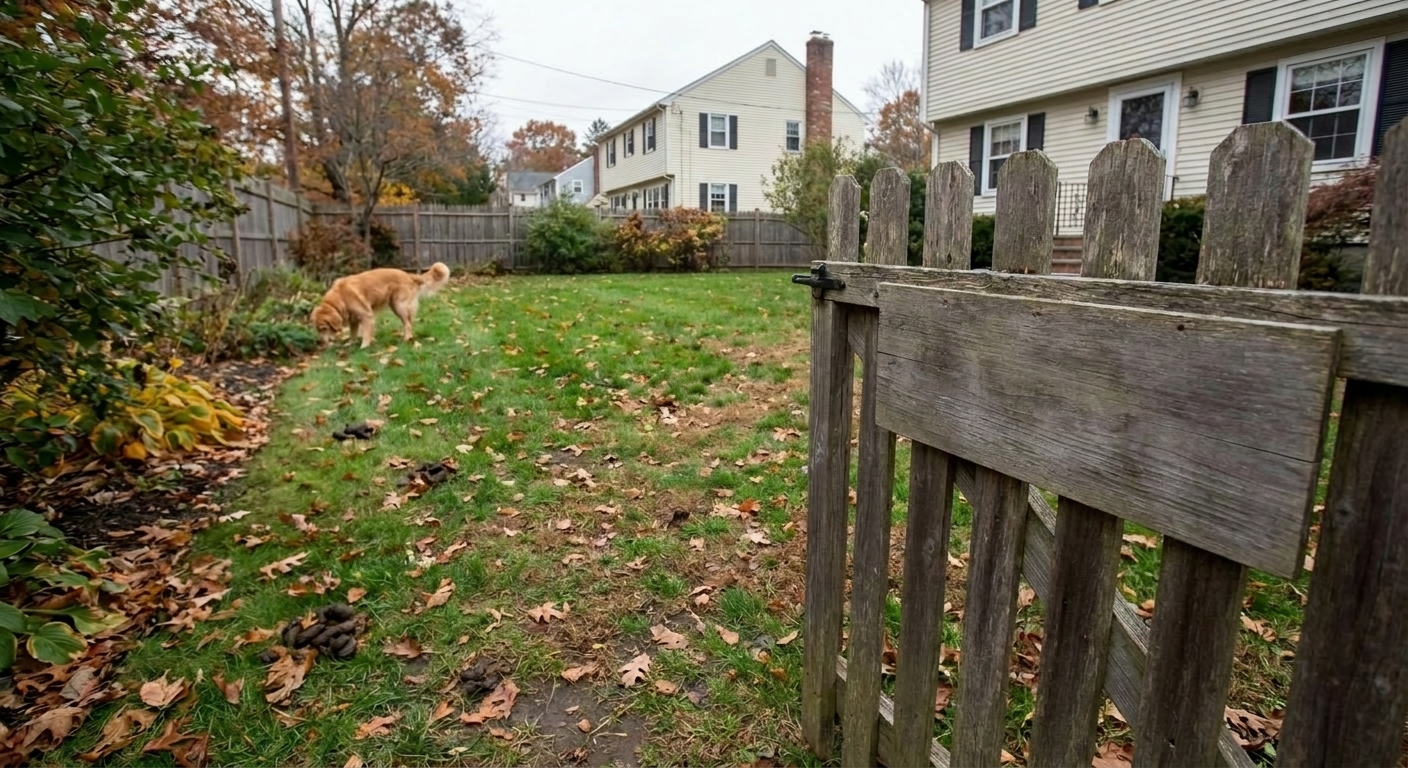
Fairfield County cycles through all four seasons, and each one brings its own complications. Winter snow buries waste, letting it build up unnoticed until the spring thaw reveals a yard full of frozen surprises. Summer heat accelerates decomposition and cranks up the smell. Rain washes bacteria into the soil and straight toward storm drains.
If you're only cleaning every other week, you're giving the weather plenty of time to make things worse. Snow hides it. Heat spreads it. Rain moves it. And by the time your service shows up, the damage is already done. Seasonal shifts demand flexibility, not a rigid schedule that ignores what's actually happening on the ground.
What Piles Up Between Visits
Biweekly removal sounds reasonable until you map out what fourteen days actually looks like. Here's what accumulates while you wait:
- Over ten pounds of waste per dog, creating visible piles across your yard
- Increased bacteria levels in soil, raising contamination risks for kids and pets
- Stronger odors that intensify with heat and humidity
- More flies, pests, and potential parasite transmission
- Higher chance of waste being tracked indoors on shoes or paws
Yard Size Isn't the Only Factor
A larger property might seem like it can handle more waste before things get out of hand. But size alone doesn't determine whether biweekly service cuts it. How you use that space matters just as much. If your yard doubles as a play area, entertaining space, or garden zone, you'll want it cleaner more often.
Small yards with multiple dogs hit capacity fast. Large yards with high foot traffic face the same issue. And if you're hosting barbecues or letting kids run around, the last thing you want is a minefield of waste that's been sitting there for a week and a half. Usage patterns drive cleanup needs just as much as square footage does.
Health Risks Don't Wait Two Weeks
Dog waste carries more than just an unpleasant smell. It's loaded with harmful organisms that can stick around long after the visible mess is gone. E. coli, salmonella, roundworms — these aren't minor concerns. They're real health threats, especially for households with young children or immune-compromised family members.
Letting waste accumulate for two weeks gives these pathogens plenty of time to spread. Kids playing in the yard, adults gardening, pets rolling in the grass — all of it increases exposure. And once bacteria seep into the soil, a simple cleanup won't eliminate the risk. Frequent removal is the only way to keep contamination in check.
When Weekly Service Makes More Sense
Biweekly removal works for some situations, but weekly service is the better fit for most Fairfield County dog owners. If any of these apply to you, it's time to rethink your schedule:
- You own two or more dogs
- Your yard is small or heavily used for outdoor activities
- You've noticed persistent odors even after cleanup
- You have young children or elderly family members using the space
- You're dealing with seasonal weather that accelerates waste breakdown
Cost vs. Value Breakdown
Weekly service costs more than biweekly, but the value gap isn't as wide as you'd think. Here's what you're actually paying for:
- Cleaner yard with less visible waste between visits
- Reduced health risks for your family and pets
- Lower odor levels, especially during warmer months
- Less environmental contamination from runoff
- More usable outdoor space without constant worry about stepping in waste
Signs Your Current Schedule Isn't Cutting It
Not sure if biweekly removal is enough? Your yard will tell you. Persistent odors that don't fade after cleanup are a red flag. Visible waste piling up before your next scheduled visit is another. And if you're constantly dodging piles or warning guests to watch their step, you're overdue for a frequency upgrade.
Pests are another indicator. Flies swarming your yard or raccoons digging around for waste mean there's too much accumulation happening between cleanups. And if your neighbors are commenting on the smell, it's time to act. These aren't minor inconveniences — they're signs that your current schedule isn't keeping up with your yard's needs.
Matching Service to Your Situation
The right cleanup frequency depends on your specific circumstances. Consider these factors when deciding:
- Number of dogs and their combined daily waste output
- Yard size and how much of it gets regular use
- Seasonal weather patterns and how they affect waste breakdown
- Presence of children, elderly family members, or immune-compromised individuals
- Your tolerance for odor and visible waste between visits
Making the Call
Biweekly dog waste removal can work for single-dog households with large, low-traffic yards. But for most Fairfield County families — especially those with multiple pets, active outdoor spaces, or health-conscious priorities — weekly service delivers better results. The difference isn't just cosmetic. It's about maintaining a yard that's safe, clean, and actually usable.
At the end of the day, your cleanup schedule should match your reality, not just your budget. If waste is piling up faster than your service can handle, don't wait for it to become a bigger problem. Professional scooping services from Dog Butler CT offer flexible scheduling options including on-demand scooping to meet your specific needs across service areas throughout the region. Adjust your frequency, protect your family, and keep your yard in shape year-round. Because a clean yard isn't a luxury — it's a baseline standard that every dog owner should should meet.
Let’s Keep Your Yard Fresh Together
We know how important a clean, safe yard is for your family and pets. If you’re ready to enjoy a healthier outdoor space without the hassle, let’s make it happen. Give us a call at 203-521-0092 or schedule a scooper visit and we’ll help you find the perfect service plan for your needs.
‹ Back
Recent Posts
-
Should You Schedule a Yard Cleanup Before the Holidays in Norwalk?
October 21, 2026
-
Why Fall Leaves Make Dog Waste Harder to Spot in Norwalk
October 7, 2026
-
Can Dog Waste Create Problems for Fall Lawn Care in Greenwich?
September 23, 2026
-
Do You Need More Frequent Cleanup During the Fall Season?
September 9, 2026
-

Site by